


What Everyone Gets Wrong About Investing in Dubai

Dubai’s property market offers opportunities across established prime communities, emerging neighbourhoods and a wide range of residential property types. But with so much choice, two common investment assumptions can easily lead buyers in the wrong direction: that a prime location is automatically a good investment, and that the cheapest property is automatically the best deal.
Neither is necessarily true. A prime Dubai property can produce weaker returns when an investor pays too much for the location. At the other end of the market, a very low-priced property in a weak or slow-growing location can take years to appreciate, leaving capital tied up.
The smarter approach is to look beyond the headline price and assess the relationship between price, location, demand, rental potential, future supply, property quality and resale prospects.
Myth 1: “Prime Location = Good Investment”
Prime locations can offer genuine investment advantages. Established communities often have strong amenities, connectivity, lifestyle appeal, international recognition and a wider pool of potential tenants and buyers.
But these advantages are often reflected in the purchase price. If an investor pays a large premium simply for the address, there may be less room for future appreciation and the rental income may not be sufficient to justify the entry price.
Dubai Example: Downtown Dubai
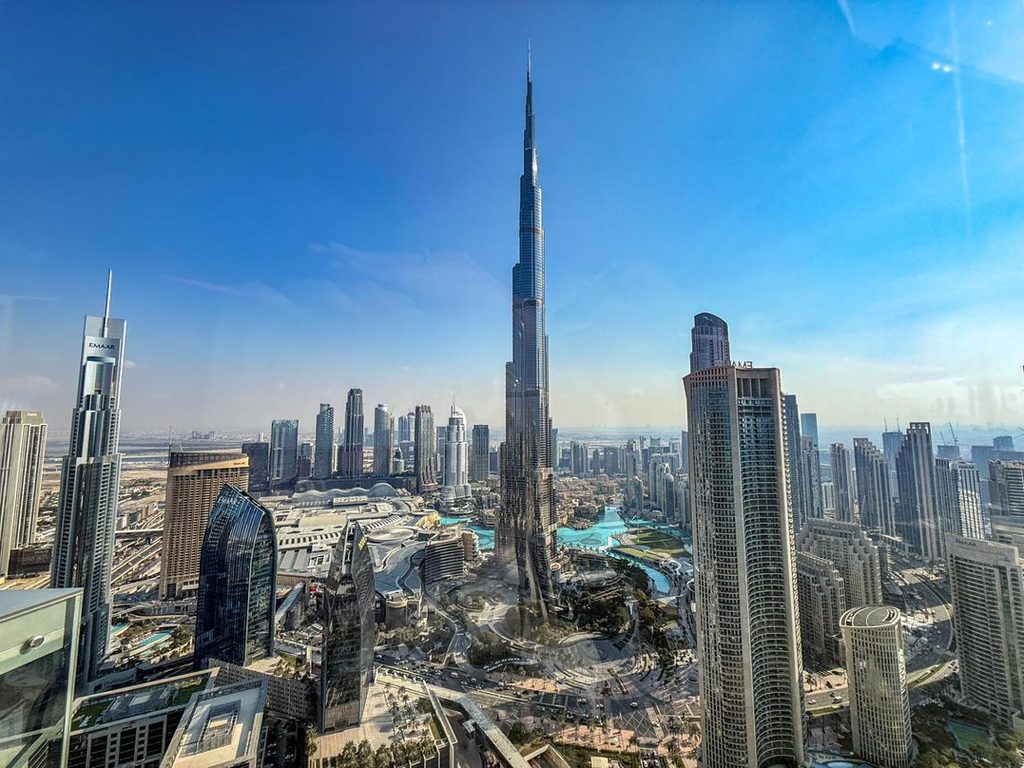
Downtown Dubai benefits from its central location, tourism, business activity, retail and lifestyle attractions. These factors can support demand for different types of property.However, not every property in Downtown has the same investment profile. Building quality, views, layout, condition, service charges and — importantly — purchase price can change the return significantly.
Dubai Example: Palm Jumeirah
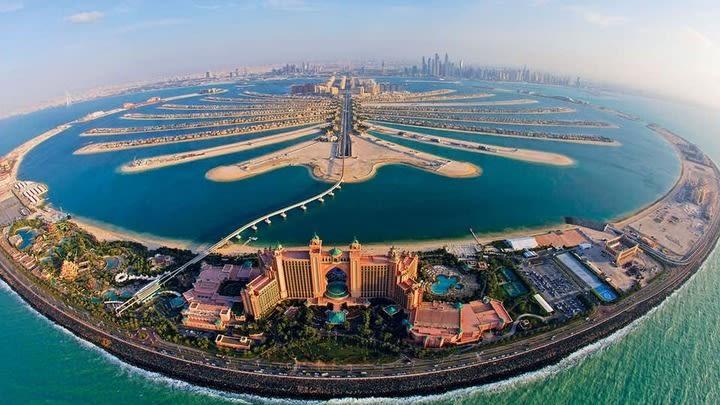
Palm Jumeirah carries a strong waterfront and luxury premium. Buyers may pay more for sea views, beachfront access, larger terraces or a particular building.
The investment question is whether that premium is supported by actual rental demand and future resale demand. A prestigious location can be an excellent asset, but paying an excessive premium can still weaken the investment case. families, Al Furjan benefits from having The Arbor School within the community, while additional schools are available across the surrounding Jebel Ali and Dubai South corridor.
Dubai Example: Dubai Hills Estate
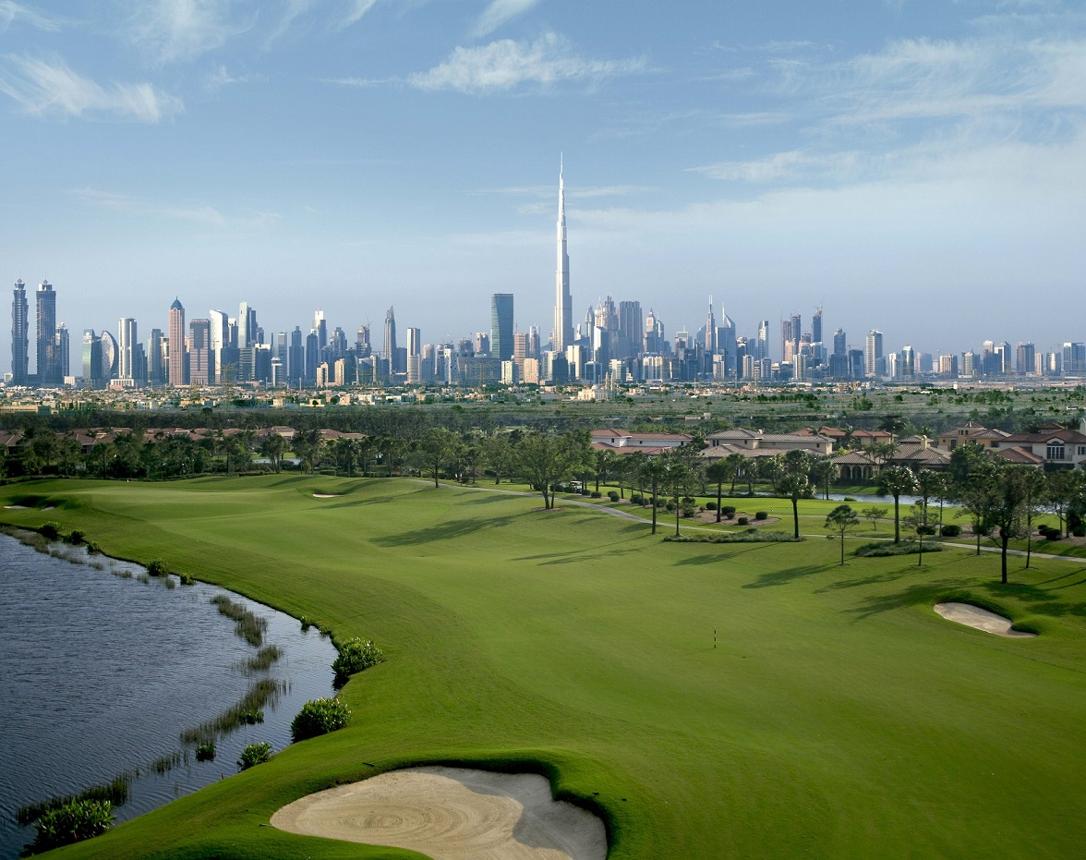
Dubai Hills Estate demonstrates why investors should assess the specific property rather than simply the community name. Community amenities, connectivity, property type, quality and competing supply can all influence performance.
The Key Lesson: The Location Can Be Right, but the Price Can Be Wrong
Before paying a prime-location premium, compare the property’s price per square foot with similar homes, estimate realistic rental income, consider ownership costs, and understand what comparable properties are available.
The question should not only be, “Is this a prime location?” It should be, “Is this specific property fairly priced for what it offers?”
Myth 2: “The Cheapest Property Is the Best Deal”
A low entry price can be attractive, but a cheap property is not automatically undervalued. Sometimes the lower price reflects weaker fundamentals.
If a location has limited rental demand, fewer amenities, weaker connectivity, slow development or a large amount of competing supply, property prices may take years to appreciate.
This is the risk Madam’s point highlights: an investor can buy cheaply but still end up with capital that is tied up for years.
Dubai Example: Jumeirah Village Circle (JVC)
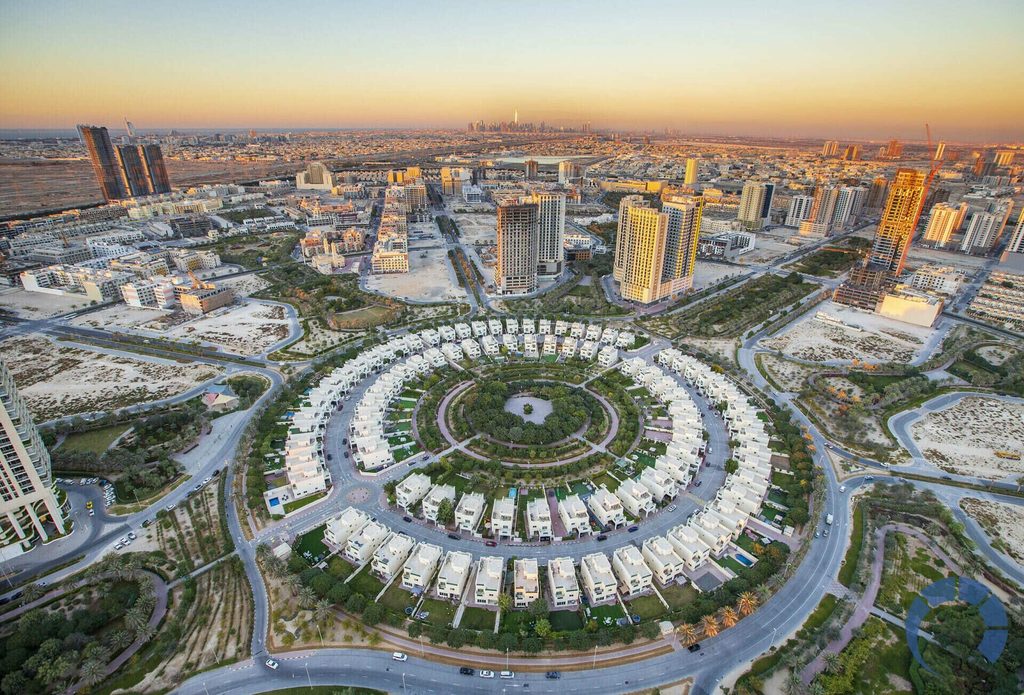
JVC has a broad residential market and a range of property types and price points. For an investor considering a lower-priced unit, the important question is not simply whether it is cheaper than property in a prime community.
The investor should look at the specific building, achievable rent, service charges, tenant demand, competing units and future supply. A lower price becomes more meaningful when the underlying demand supports it.
Dubai Example: Dubai Creek Harbour
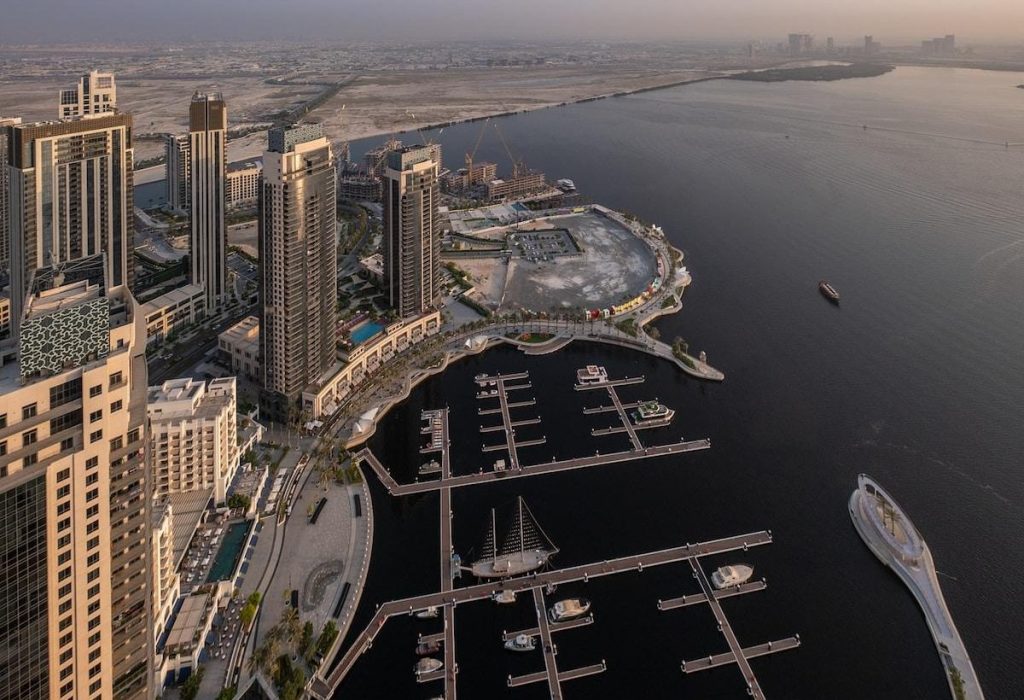
Emerging communities such as Dubai Creek Harbour can attract investors interested in future development and long-term potential. But future potential should never be treated as a guarantee.
Investors should consider infrastructure, amenities, connectivity, surrounding development and the amount of competing residential supply — and ask whether today’s price already reflects the expected future growth.
Cheap vs. Undervalued: Know the Difference
A property is not necessarily undervalued simply because it is cheaper than another property. The more useful question is whether there is a credible reason for future demand.
- Strong and sustainable rental demand
- Improving infrastructure and connectivity
- Growing population or employment nearby
- Established or improving amenities
- Limited direct competition
- Property quality that gives buyers and tenants a reason to choose it
Don’t Ignore Future Supply
An investor should look at what is coming to the area, not only what exists today. New developments can bring better amenities and improve a community, but they can also give buyers and tenants more alternatives.
If many similar properties are delivered at the same time, owners may need to compete more aggressively on price, quality, incentives and rent. Understanding the supply pipeline is therefore an important part of assessing future demand.
Rental Yield Is Only Part of the Picture
A headline rental yield can make a property look attractive, but investors should calculate the net return after service charges, maintenance, vacancy periods, management and financing costs where applicable.
A property with a slightly lower headline yield may have a different risk-and-return profile if it has stronger demand, better liquidity and a broader resale audience.
The Dubai Investor Checklist
- PRICE — Is the entry price supported by comparable properties?
- LOCATION — What makes people want to live or invest here?
- DEMAND — Who is the likely tenant and future buyer?
- RENTAL — What rent is realistically achievable after costs?
- SUPPLY — What similar properties exist and what is coming?
- QUALITY — What makes this specific property competitive?
- GROWTH — What realistic factors could support appreciation?
- EXIT — How easy could it be to sell when you are ready?
The Real Investment Lesson
Too expensive in a prime Dubai location can limit returns. Too cheap in a weak or slow-growing location can tie up capital for years.
The smarter investment is not about chasing the lowest price or the most prestigious address. It is about finding the right relationship between price and value — supported by real demand, appropriate supply, quality and a credible path to future growth.