
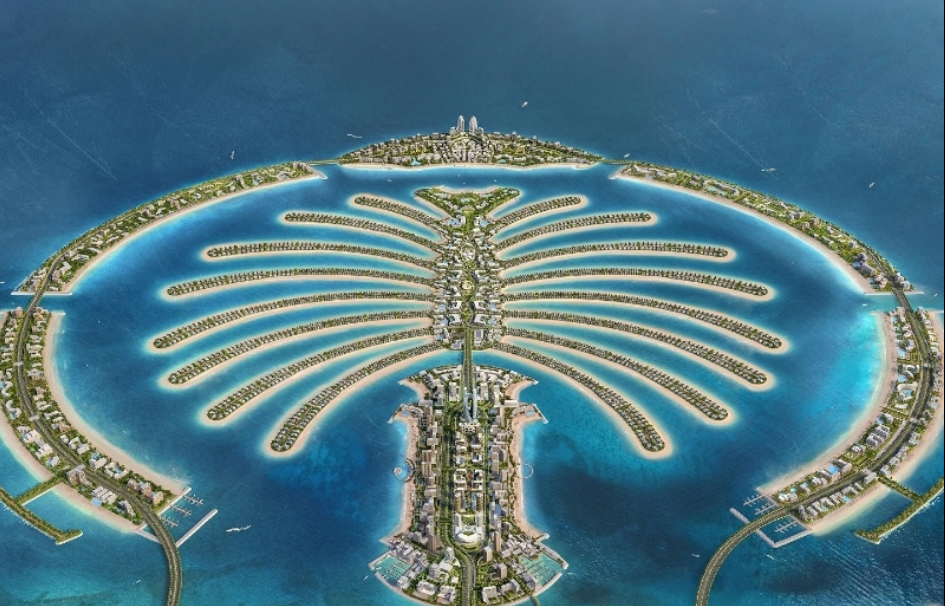

Palm Jebel Ali Gains Momentum with AED 3.5B in Villa Contracts
AED 3.5B in construction contracts have just been awarded at Palm Jebel Ali — but this isn’t just progress. It’s confirmation that one of Dubai’s biggest long-term waterfront bets is now moving into execution.
Announcements don’t move markets.
Execution does.
And in real estate, there’s a clear difference between:
- Plans
- Launches
- And actual construction
Palm Jebel Ali has now crossed that line.
Key signals:
- Major capital is being deployed into construction
- Development is moving across multiple fronds
- A long-term masterplan is entering delivery phase
This is not vision anymore.
This is commitment.
AED 3.5B Committed — Construction Begins
Nakheel has awarded:
- AED 3.5 billion in contracts
- For the construction of 544 villas
Split across:
- Ginco → 354 villas (Fronds A–D)
- UNEC → 190 villas (Fronds E–F)
Construction:
- Starts this quarter
- Completion targeted Q4 2028
This is where timelines become real.
This Isn’t a Single Phase — It’s Multi-Frond Progress
Work is not limited to one section.
It’s moving across:
- Six fronds simultaneously
What that signals:
- Faster area activation
- Coordinated development rollout
- Strong execution capability
Momentum at this scale is deliberate — not incremental.
Designed for Waterfront Value
The villas are part of:
- 10 architectural typologies
Built around:
- Sea views
- Direct waterfront positioning
- Smart-home integration
- Sustainability features
This is not just about building homes.
It’s about creating:
- Lifestyle-driven assets
- Long-term value positioning
In waterfront developments, design defines demand.
Palm Jebel Ali Is Bigger Than a Project
This isn’t just another community launch.
Palm Jebel Ali represents:
- One of Dubai’s largest coastal expansions in decades
- A major addition to the city’s waterfront supply
Aligned with:
- Dubai 2040 Urban Master Plan
- Dubai Economic Agenda D33
This is city-level planning — not project-level development.
Why This Matters Now (Not Later)
Most people wait for:
- Completion
- Handover
- Fully developed communities
But value often starts earlier.
Right now:
- Infrastructure is being built
- Supply is being defined
- Positioning is still forming
This is where early-stage clarity matters most.
What This Signals to the Market
Developers don’t commit billions without conviction.
This move reflects:
- Confidence in long-term waterfront demand
- Strong investor appetite for premium coastal living
- Strategic expansion of Dubai’s residential offering
Capital is not waiting.
It is building.
The Bigger Pattern: Expansion Along the Coast
Dubai’s growth is not random.
It is expanding:
- Along infrastructure corridors
- Along waterfront zones
Why waterfront matters:
- Limited supply
- High global demand
- Strong long-term appreciation
Palm Jebel Ali fits directly into this pattern.
Where the coastline expands,
value tends to follow.
What This Means for Investors
This phase creates a specific type of opportunity:
- Early positioning before full price discovery
- Entry into a large-scale masterplan
- Exposure to long-term coastal growth
But also:
- Patience is required (2028 handover)
- Selection within the project matters
- Not all units will perform equally
In projects like this,
timing matters — but positioning matters more.
Conclusion: From Vision to Reality
Palm Jebel Ali is no longer an idea.
- Contracts are awarded
- Construction is starting
- Delivery is scheduled
This marks a shift:
- From announcement → execution
- From concept → commitment
And in real estate, that’s where real momentum begins.
Because when a project starts building,
the question is no longer if it will happen —
but who positioned early enough to benefit from it.