
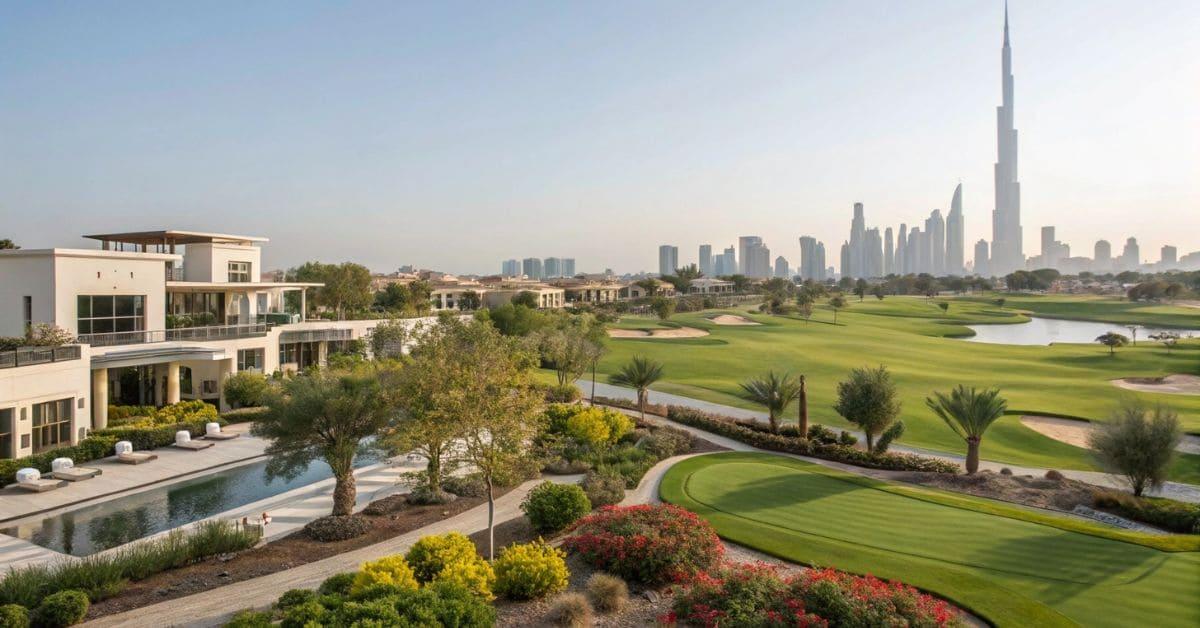

Community vs Property: Which Matters More When Buying a Villa in Dubai?
When buying a villa in Dubai, it is easy to fall in love with the property itself.
The architecture. The interiors. When comparing villas in Dubai, the question is not simply which property looks better. The more useful question is what is actually creating the value of the property the community, the location, the plot, the villa itself, or the scarcity of the asset.
This distinction matters because Dubai has several different residential models. Master-planned communities such as Dubai Hills, Arabian Ranches, The Meadows, The Springs, Jumeirah Islands and Tilal Al Ghaf offer an ecosystem around the home. Open or less-controlled villa areas such as Jumeirah, Umm Suqeim, Al Barsha, JVC Villas and Furjan West can place more weight on the exact location, land, plot and individual property.
Master Communities and Open Areas Are Two Different Products
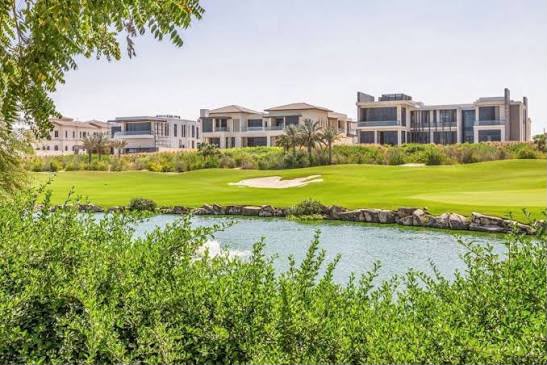
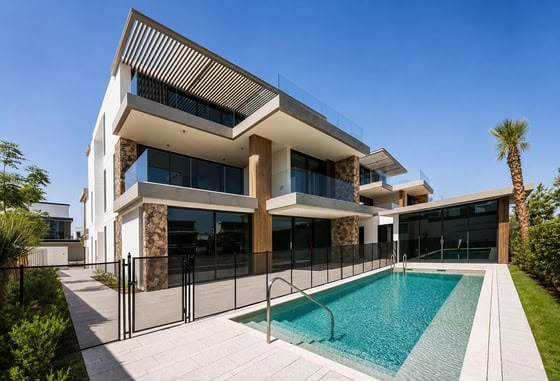
A master community is more than a collection of houses. The surrounding environment is part of what the buyer is purchasing.
In Dubai Hills, for example, residential properties sit within a planned environment with parks, golf, retail, schools, cycling routes and other amenities. Arabian Ranches, The Meadows, The Springs, Jumeirah Islands and Tilal Al Ghaf also demonstrate how community planning, landscaping, amenities and overall identity can become part of the residential product.
Open or less-controlled villa areas work differently. In Jumeirah, Umm Suqeim and Al Barsha, the established location itself can be a major attraction. In JVC Villas and Furjan West, the exact house, street, plot and position can create much larger differences between properties.
Neither model should be treated as automatically superior. They simply create value in different ways.
Why Master Communities Often Create More Consistent Demand
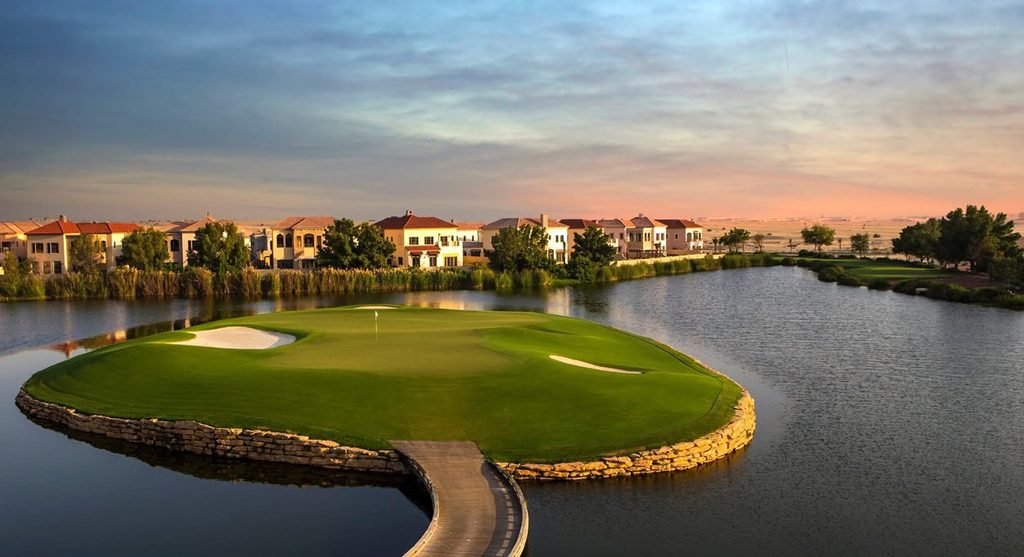
Strong master communities can give buyers a degree of predictability. They know what surrounds the property and what type of lifestyle the area is designed to provide.
- Parks and landscaped areas
- Schools and family amenities
- Retail and everyday convenience
- Security in applicable gated communities
- Consistent streetscapes
- Community identity
- Recreational facilities
For a family buyer, these features can be as important as the villa itself. The buyer is not only purchasing four walls; they are purchasing the environment in which the home sits.
Dubai Hills: The Community Is Part of the Product
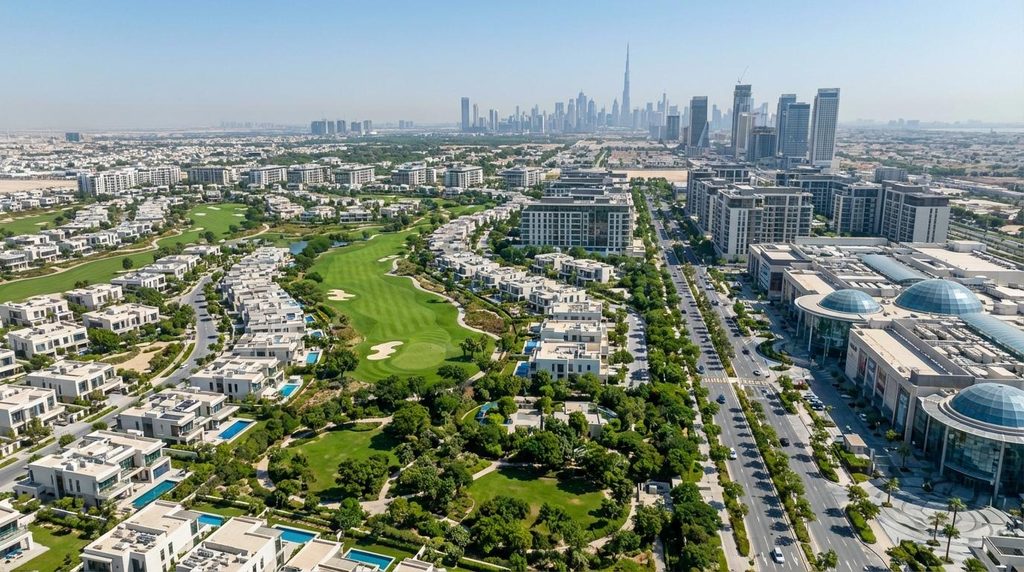
Dubai Hills is a useful example because the value proposition extends beyond individual villas. Its master-planned environment combines residential areas with major lifestyle and convenience infrastructure.
This means a villa can benefit from the wider ecosystem: parks, golf, retail, schools, roads, recreation and the overall identity of the community.
When analysing a Dubai Hills property, therefore, do not stop at the villa. Ask what the community contributes to the price and how much of that benefit is likely to remain relevant to future buyers.
Tilal Al Ghaf and the Newer Community Model
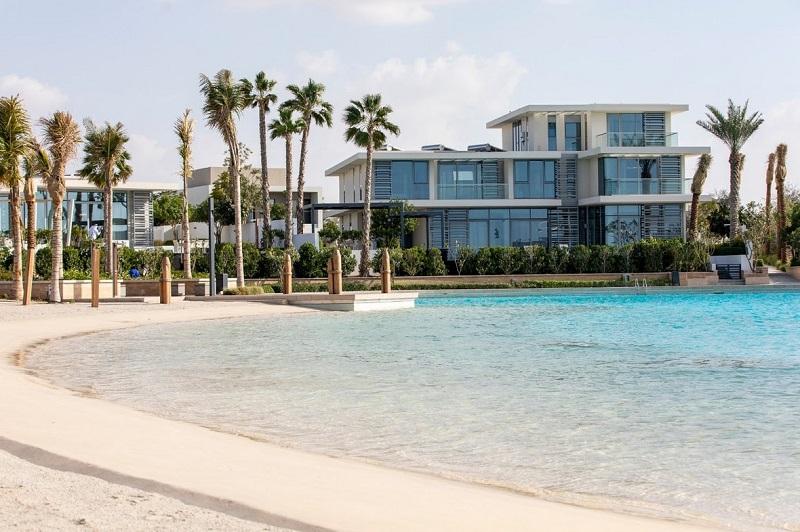
Tilal Al Ghaf shows another side of master-planned development, where lifestyle, open spaces, amenities and contemporary villa design are integrated into the community concept.
For newer communities, investors should consider both the lifestyle proposition and the amount of competing supply still being delivered. A strong concept can create demand, but future supply can also give buyers more alternatives.
Mature Communities: Arabian Ranches, The Meadows, and Jumeirah Islands
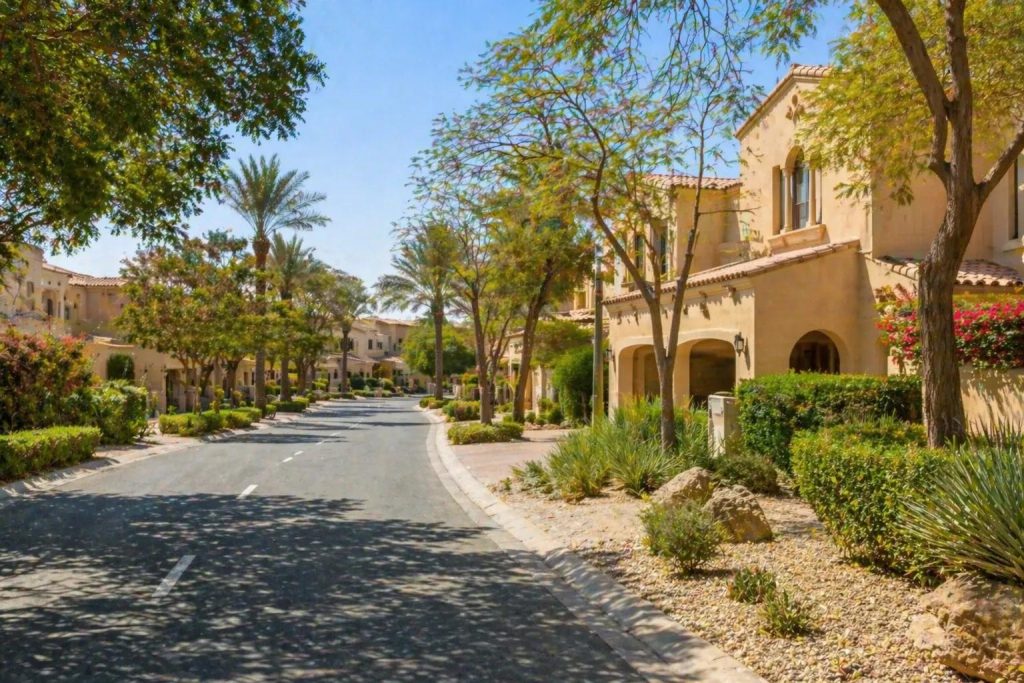
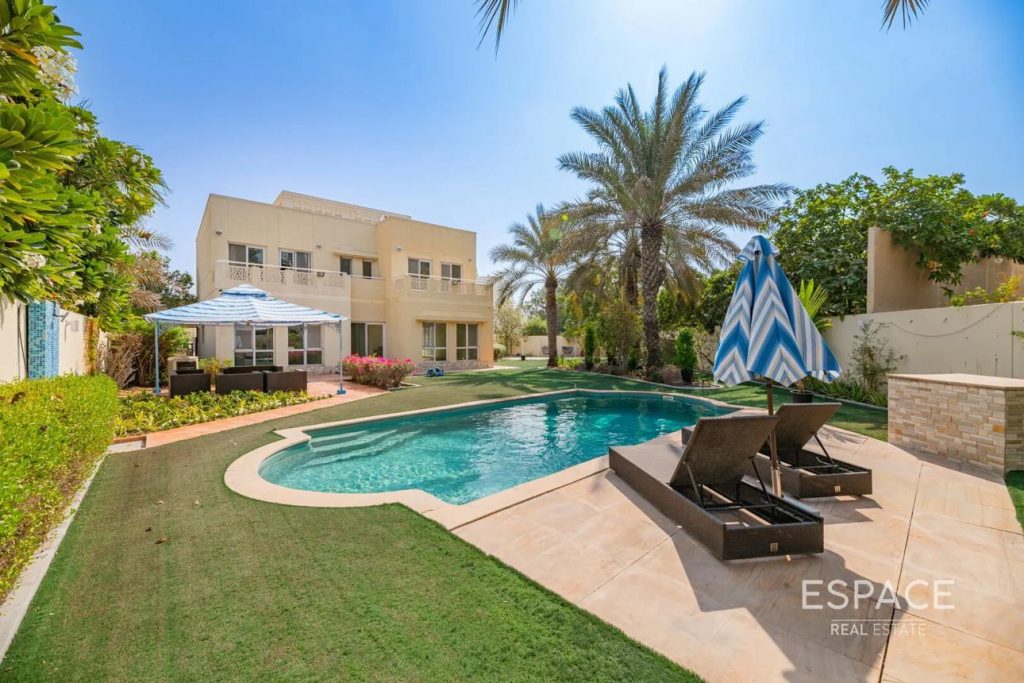
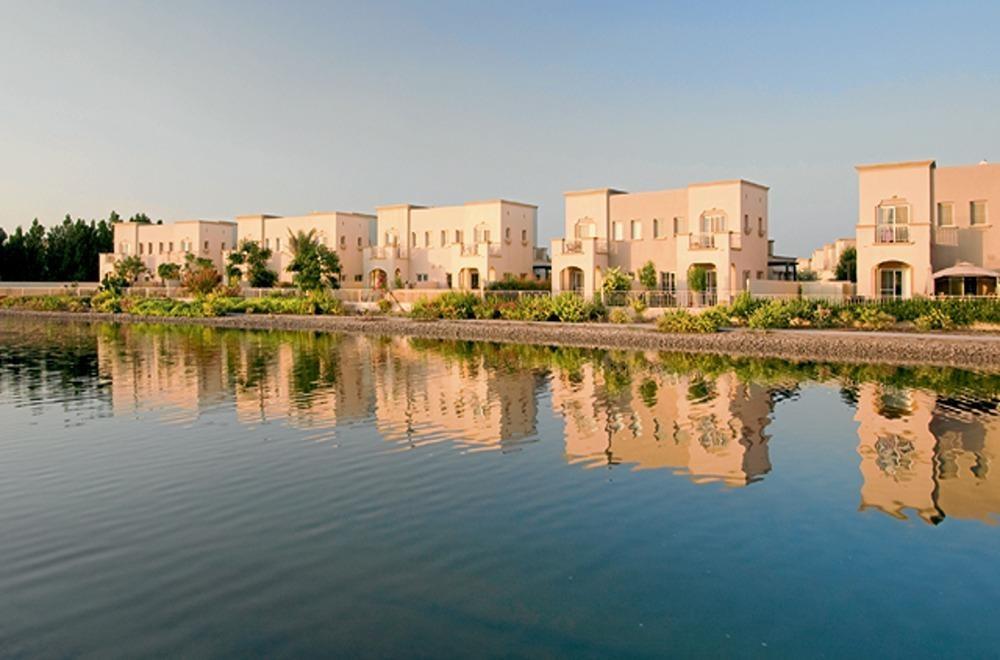
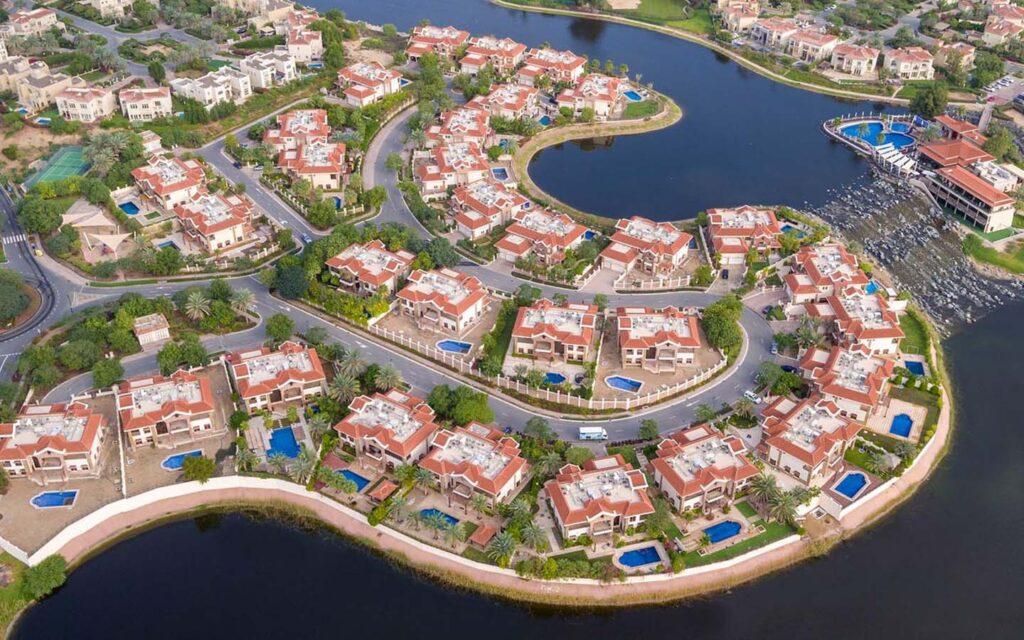
Mature communities demonstrate why age alone should not be used to judge residential value.
Arabian Ranches, The Meadows, and Jumeirah Islands have established identities and surrounding environments. Their appeal is not simply based on whether individual villas are new.
The more useful questions are whether buyers still want the location, whether the community remains relevant to its target buyer, and whether the surrounding environment continues to support demand.
A home can age while the reasons people want the community remain strong.
But Open Areas Can Be Extremely Strong
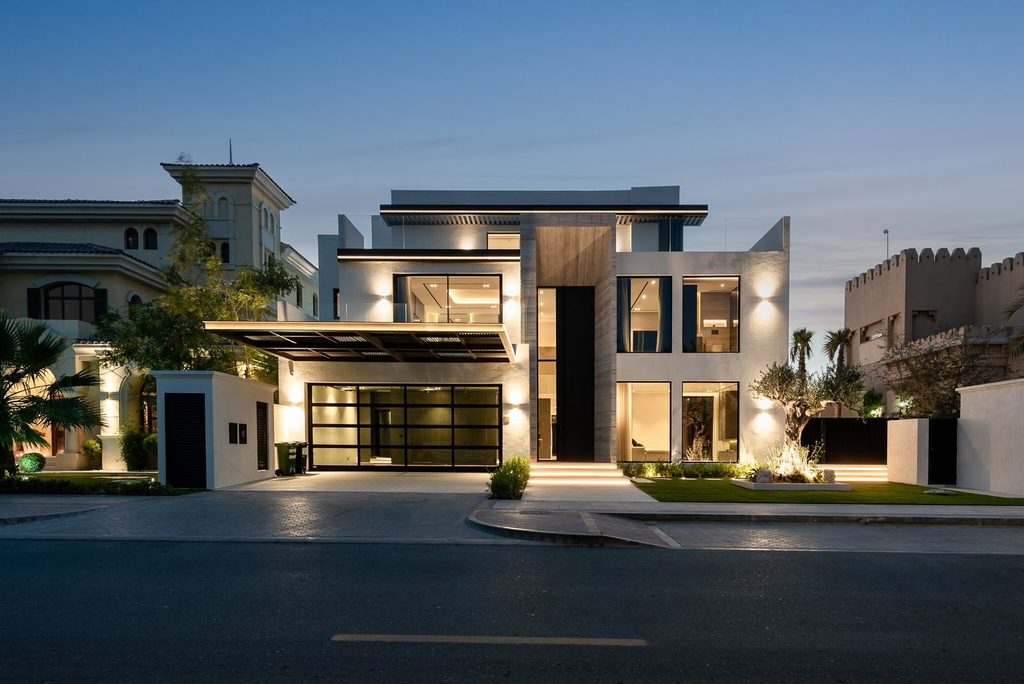
Prime open areas can have a different form of scarcity.
Jumeirah and Umm Suqeim combine established residential locations with access to beaches, schools, major roads and other amenities. In these locations, the land and exact position can be a significant part of the value.
Al Barsha also demonstrates why an area name alone is not enough. Different streets, plots and villa conditions can create very different property propositions.
In open areas, the location itself can sometimes function as a major amenity — but the exact property still needs to be assessed.
Furjan West and Meydan: Why the Property Itself Matters
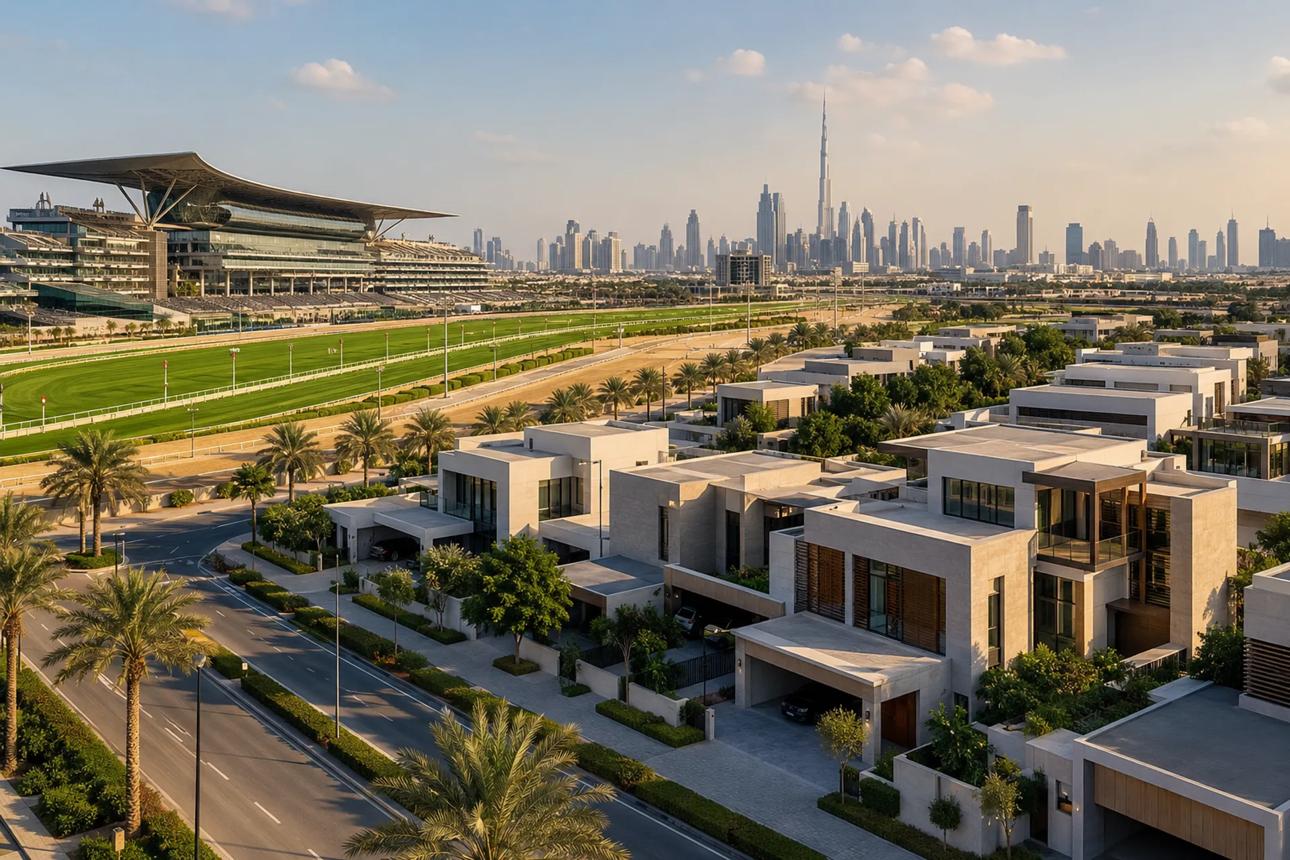
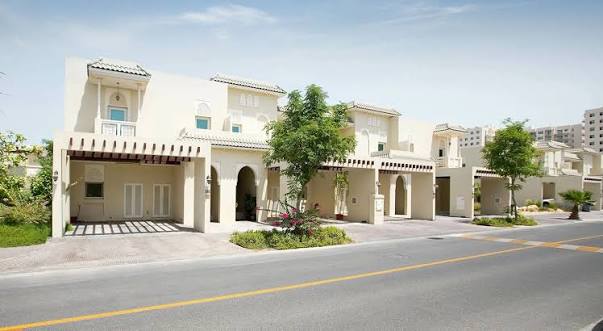
JVC Villas and Furjan West are useful examples of why properties within a broader area can perform differently. Two villas only minutes apart can have different buyer appeal because of:
- Street position
- Plot size
- Corner location
- Single-row positioning
- Construction quality
- Modern renovation
- Privacy
- Access
Less uniformity means the individual property can carry more weight. This is why investors should not assume that every property within the same area offers the same value proposition.
Micro-Location Can Change the Analysis
The exact street can matter. So can the road exposure, distance from a busy road, proximity to a school, access to retail, privacy, orientation and the shape of the plot.
For example, a family may value a quiet street close to a school. Another buyer may value a large corner plot because of privacy or future redevelopment potential.
This is particularly important in open villa areas, where the difference between two nearby properties can be much greater than the neighbourhood name suggests.
Land Has a Different Type of Scarcity
A villa can be renovated. A kitchen can be replaced. Bathrooms can be upgraded. The building can be redesigned.
The underlying land is different.
A large plot in Jumeirah, an unusually positioned villa in Umm Suqeim, or a property with a distinctive plot in another established location may be difficult to replace.
Ask: if I wanted the same combination of location, plot size and position five or ten years from now, could I realistically find it again?
If not, scarcity may be an important part of what the buyer is purchasing.
New vs. Old Is the Wrong Question
Newer communities such as Dubai Hills and Tilal Al Ghaf can create strong lifestyle propositions. Mature communities such as Arabian Ranches, The Meadows, The Springs and Jumeirah Islands can remain desirable because the underlying demand for the environment continues.
Open-area properties in Jumeirah, Umm Suqeim, Al Barsha and Furjan West can also be attractive for very different reasons: location, land, plot, access, property quality and scarcity.
Age is one characteristic of a property. Demand is the more important question.
The Buyer Changes the Equation
Different buyers value different things.
A family buying a primary residence may prioritise greenery, schools, security, space, parks and convenience.
An investor may focus on rental demand, operating costs, tenant profile, resale liquidity and future supply.
A high-net-worth buyer may place more emphasis on privacy, land, architecture, views, address and scarcity.
This is why two buyers can look at the same villa and reach different conclusions about what matters most.
Rental Demand and Resale Demand Are Not the Same
A property can attract tenants without necessarily being the easiest asset to resell. Investors should separate four questions:
- Who would rent the property?
- What features support the expected rent?
- Who would buy the property later?
- How large is the potential resale buyer pool?
This prevents rental performance from becoming a substitute for a full property analysis.
Future Supply Matters
The competitive environment can change as Dubai continues to develop.
For newer communities such as Dubai Hills, Tilal Al Ghaf and parts of Meydan, buyers should consider what additional homes and amenities may enter the market.
For established areas such as Jumeirah, Umm Suqeim, The Meadows or Jumeirah Islands, the question may be different: how limited is the supply of comparable properties and plots?
The key question is whether the property will still have a distinctive reason for buyers to choose it when alternatives are available.
Meydan: Why the Exact Property Still Needs to Be Checked
Meydan should also be assessed at property level. The broader Meydan area contains different residential products and developments, so the area name alone does not establish the value of a specific villa.
Review the exact development, access, surrounding construction, plot characteristics, amenities, property condition and competing supply.
This is the same principle used throughout the carousel: location matters, but the exact property can determine the premium.
A Five-Layer Framework for Dubai Villas
Use these five layers when comparing properties:
1. COMMUNITY: What does the surrounding ecosystem contribute?
2. LOCATION: How strong is the property’s exact position within Dubai?
3. PLOT: What is special or ordinary about the land?
4. PROPERTY: How good is the actual villa and what work does it require?
5. SCARCITY: How easily could another buyer find something comparable?
This framework works for comparing a Dubai Hills villa with a Jumeirah villa, a Meydan property with an Al Barsha villa, or two different properties within JVC or Furjan West.
A Practical Comparison
Imagine Property A is an average villa inside a strong master community. It benefits from parks, amenities, security, established surroundings and family demand.
Property B is a great villa in an open neighbourhood. It has an exceptional plot, strong privacy, excellent access and a location that is difficult to replace.
The analysis should compare:
- Purchase price
- Community contribution
- Exact location
- Plot size and position
- Property condition
- Renovation requirements
- Rental demand
- Resale buyer pool
- Future competing supply
- Ownership costs
- Scarcity and replacement value
This is the real reason there is no automatic winner. A strong community can support an average home. An exceptional plot in a great location can also carry a premium that the community label cannot replace.
The Real Questions Before Buying
- Will people still want this location in ten years?
- What surrounds the property?
- Who is the natural buyer or tenant?
- How much of the price is supported by the community?
- How much is supported by the actual property?
- How good is the exact plot and street?
- How easily could this asset be replaced?
- What competing supply is coming?
- What will it cost to own and maintain?
- Who is likely to buy it from me later?
Final Thought
The answer to ‘community or property?’ is not one fixed rule.
Community can create demand. Location can create a ceiling. The property can command a premium. And scarcity can protect what cannot be recreated.
The strongest analysis is to understand how all four work together.