
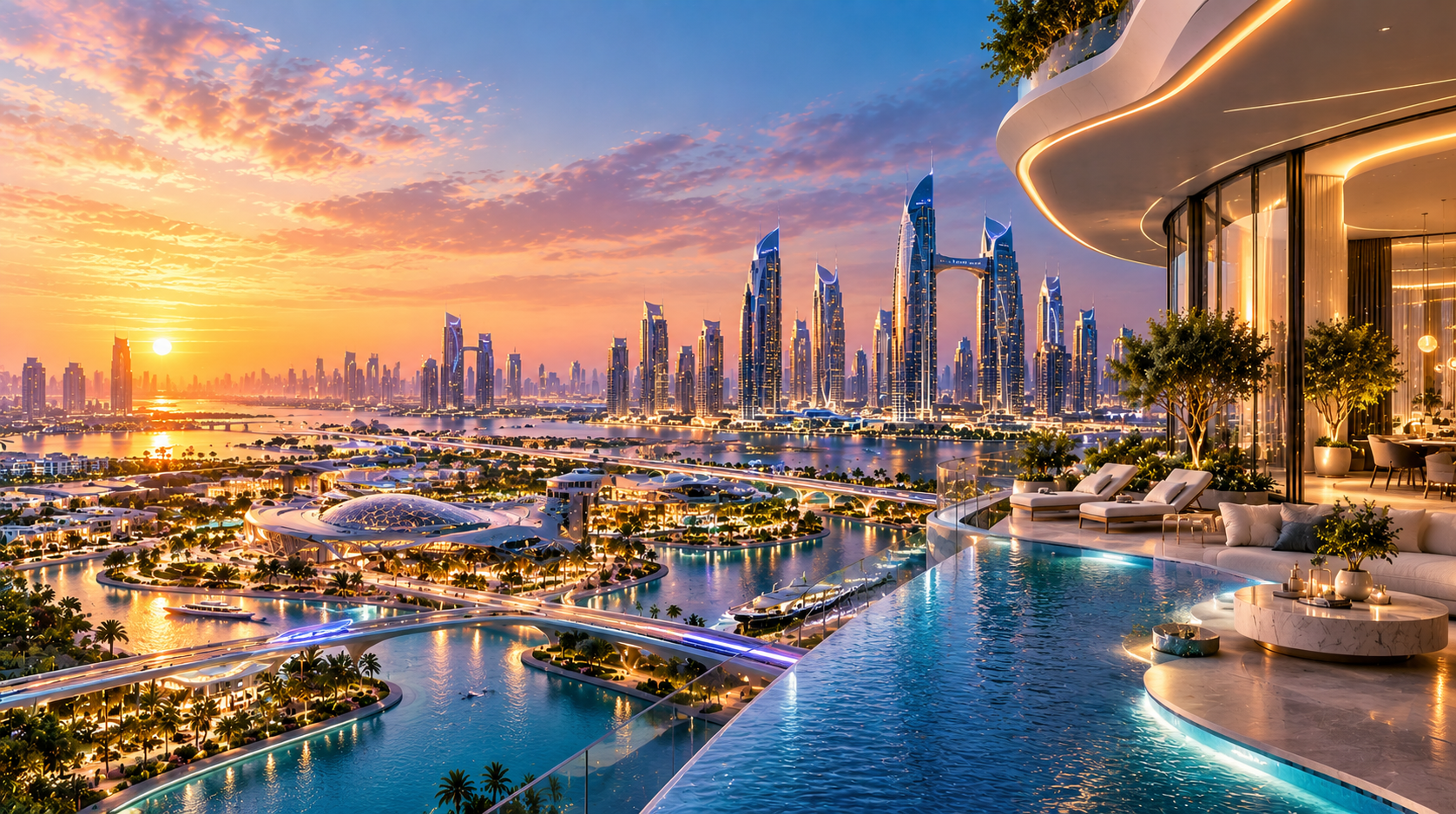

Beyond Swimming Pools: What Will UAE Property Buyers Want by 2030?
Swimming pools might be yesterday’s luxury by 2030. The next generation of property buyers could be looking for something far more valuable: a home that helps them live better.
For years, luxury real estate has been defined by what a property offers visually. Infinity pools, grand lobbies, rooftop lounges and fully equipped gyms have helped developments stand out in a competitive market.
But as lifestyles evolve, the meaning of luxury could change. Imagine choosing a home not just because it has an impressive view, but because its intelligent systems help manage energy use, its bedrooms are designed for better rest, its wellness facilities support your daily routine and its community makes everyday life more convenient.
By 2030, the most desirable homes in Dubai may not necessarily be those with the longest list of facilities. They could be the properties that combine thoughtful design, useful technology, environmental comfort and amenities that genuinely improve residents’ lives.
While no one can predict exactly what buyers will prioritise in 2030, seven emerging amenity trends are worth watching.
Longevity Centres: When Health Becomes Part of the Address
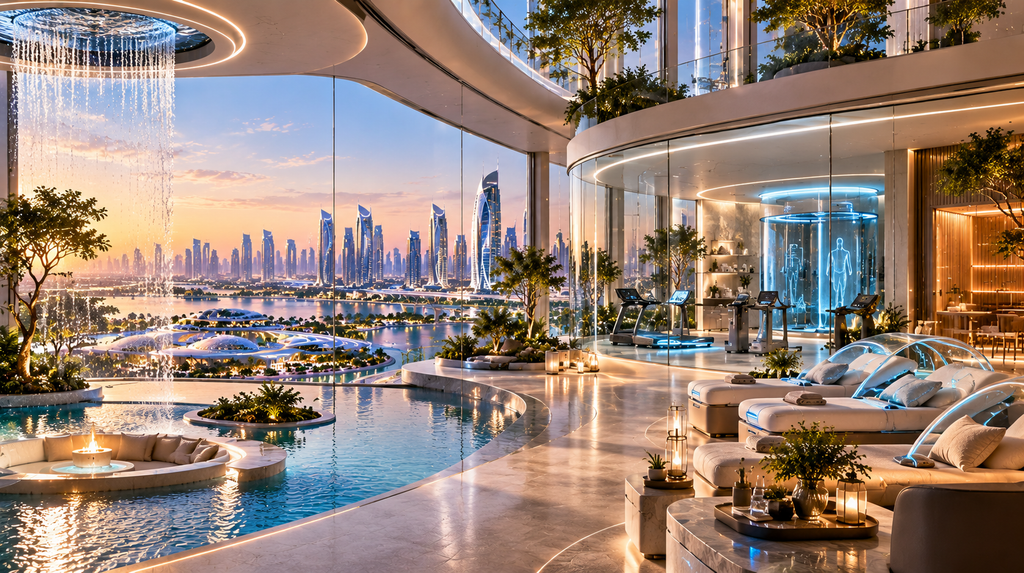
Luxury living could increasingly extend beyond leisure and into proactive wellbeing. Future residential developments may explore dedicated wellness spaces, preventive health services, health assessments and personalised programmes that help residents take a more active approach to their wellbeing.
Imagine having access to a wellness centre within your residential community, reducing the need to travel elsewhere for certain services. For busy professionals and residents who value convenience, that accessibility could become an attractive part of the living experience.
However, the real value would depend on what these facilities actually offer. A beautifully designed wellness room is not the same as a professionally operated health centre. Buyers would need to consider service quality, qualified personnel, operating arrangements and ongoing costs.
What this could mean for property buyers: Health-focused amenities may help distinguish premium developments when they are practical, well managed and suited to residents’ needs.
Sleep Technology: The Bedroom Becomes a Wellness Space
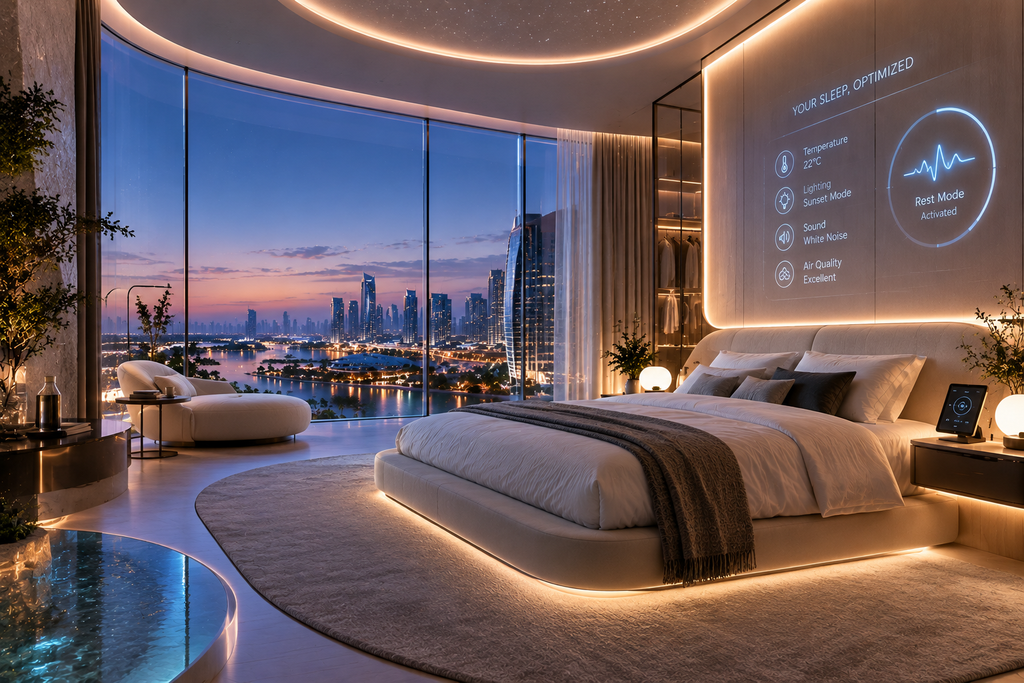
Bedrooms have traditionally been marketed through size, views, wardrobes and finishes. In the future, the way a bedroom supports rest could become another point of differentiation.
Circadian lighting, effective sound insulation, intelligent temperature control and carefully planned bedroom layouts could help create more comfortable sleeping environments. These features focus not only on appearance, but also on how a space feels and functions every day.
For Dubai properties, thermal comfort and noise control deserve particular attention. A beautiful bedroom can lose much of its appeal if it is difficult to keep comfortable or is exposed to persistent external noise. Good ventilation, suitable materials and reliable building systems remain important, too.
What this could mean for property buyers: Look beyond a bedroom’s appearance. Consider its acoustic privacy, temperature control, lighting and overall comfort.
Biohacking and Recovery: Beyond the Traditional Gym
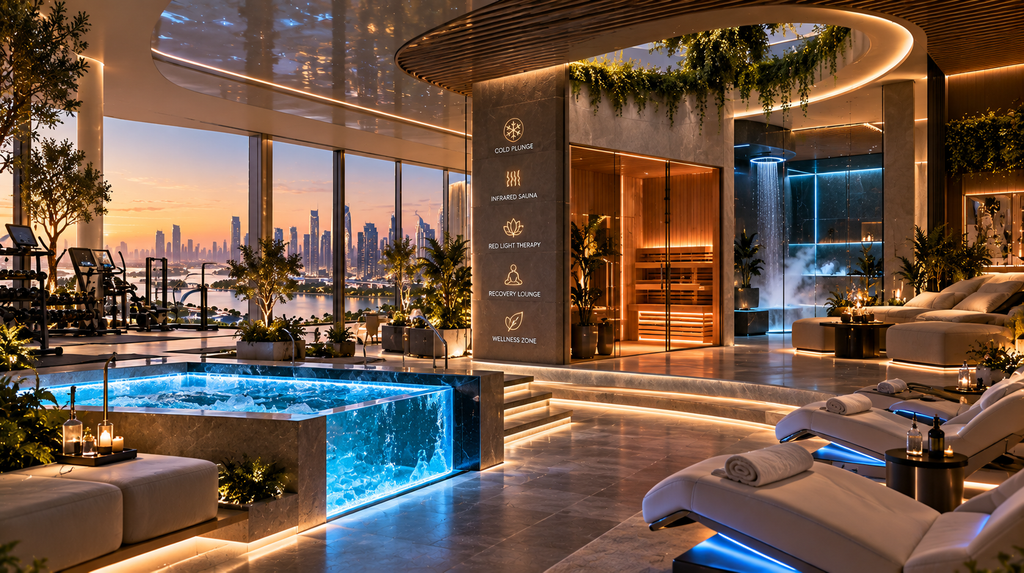
A gym has become a familiar feature of many residential developments. Future luxury communities could expand this concept by placing greater emphasis on recovery and relaxation.
Cold plunges, infrared saunas, red-light therapy and dedicated recovery lounges may appeal to buyers interested in wellness-focused lifestyles. Instead of travelling to a separate facility, residents could have access to selected recovery amenities within their building or community.
Yet this category raises an important investment question: will residents use the facilities enough to justify their cost? Specialised equipment can require maintenance, staffing, utilities and management. A smaller, well-maintained wellness facility may be more valuable than an elaborate collection of expensive amenities that sees little use.
What this could mean for property buyers: Assess the quality, accessibility and operating costs of wellness facilities rather than assuming that more equipment automatically means more value.
AI-Powered Living: Homes That Anticipate Needs
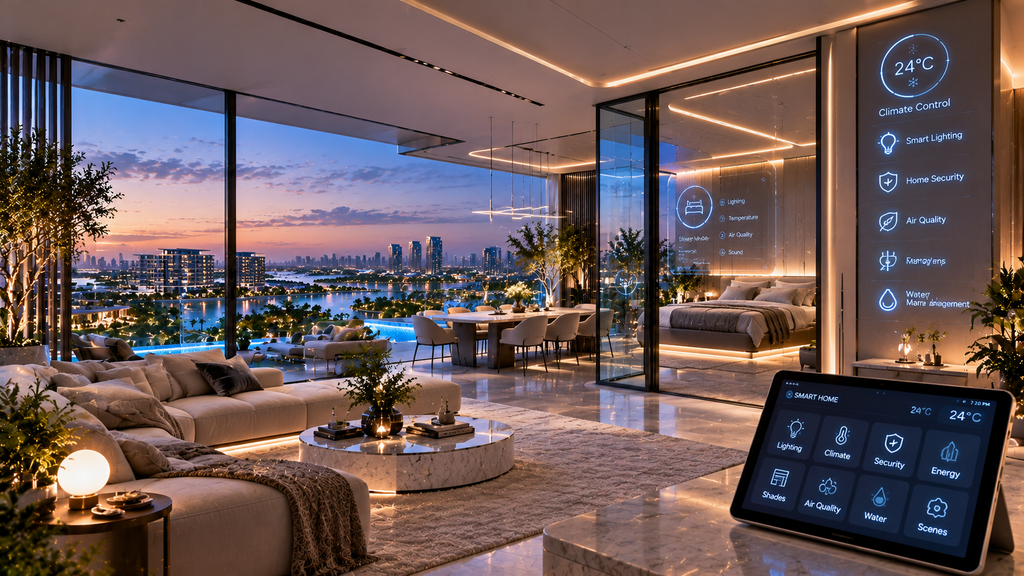
Smart home technology is evolving beyond remote-controlled lighting and automated curtains. Future systems could become more integrated, helping residents manage indoor comfort, energy consumption and routine maintenance.
Imagine a home that adjusts cooling settings according to occupancy, identifies unusual energy consumption or alerts building management to a potential maintenance issue before it becomes a larger problem.
In Dubai, where cooling is an important part of residential comfort, intelligent controls may help reduce unnecessary energy use when properly designed and configured. Actual savings will depend on the building, equipment, settings and residents’ behaviour.
Buyers should also consider whether systems work together, remain useful without a particular app or service, and have clear arrangements for software updates, repairs and data privacy.
What this could mean for property buyers: Prioritise technology that solves everyday problems. Reliable systems may be more useful than a long list of impressive but unnecessary features.
Purified Living: Indoor Environmental Quality Matters
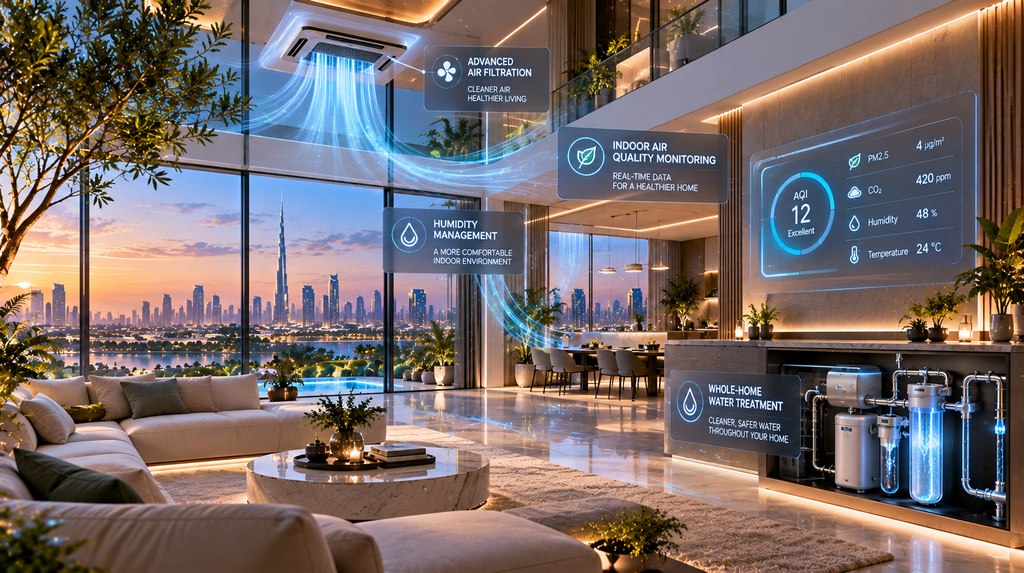
A property’s environment extends beyond its views and outdoor surroundings. The air, humidity and water systems inside the home can also influence residents’ comfort.
Future developments may place greater emphasis on advanced air filtration, indoor air-quality monitoring, humidity management and whole-home water treatment. These features could appeal to households seeking greater visibility into their indoor environment.
Buyers should look carefully at specifications. What does a filtration system address? How frequently must filters be replaced? What does it cost to maintain, and who is responsible for servicing it? The label “purified living” should not replace clear information about system performance.
What this could mean for property buyers: Ask for technical details, maintenance requirements and realistic operating costs. Verified performance is more meaningful than marketing language alone.
Climate-Smart Communities: Walkability Could Become a Luxury
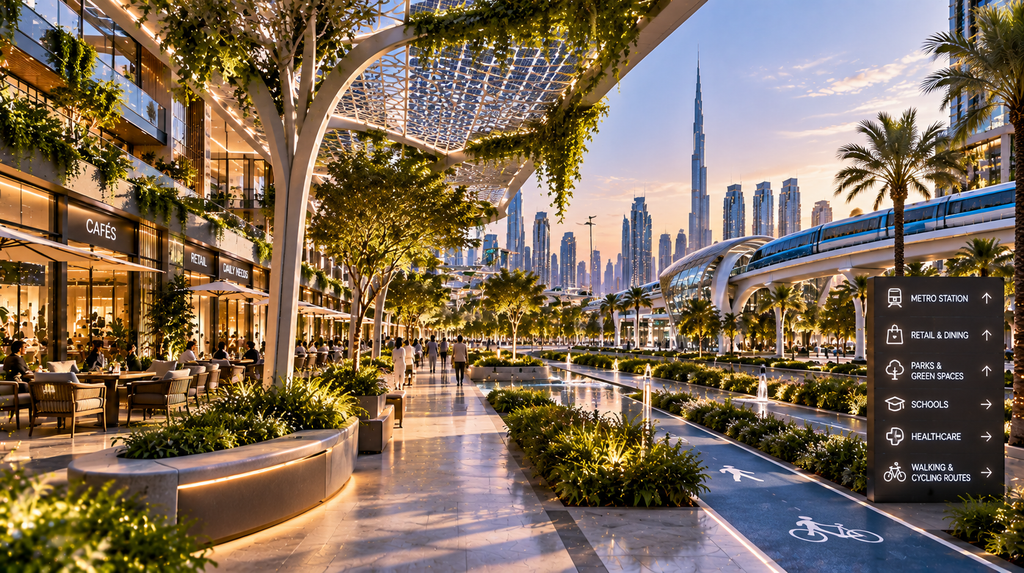
One of the most important shifts may happen outside the front door. A property can have outstanding interiors and impressive amenities, but everyday life can still be inconvenient if residents must drive for every basic need or outdoor spaces are uncomfortable for much of the year.
Shaded pathways, climate-conscious landscaping, connected green spaces, accessible public transport and nearby shops and services could become increasingly important elements of residential appeal.
Dubai’s urban planning direction supports the relevance of this trend. The Dubai Walk Master Plan aims to expand connected pedestrian infrastructure, improve walking conditions and strengthen links between communities and public transport.
Walkability in Dubai must be assessed realistically. Shade, route continuity, crossing safety, seasonal temperatures and the actual distance to useful destinations all matter. A pathway on a master plan does not automatically guarantee a comfortable daily journey.
What this could mean for property buyers: Evaluate the entire neighbourhood, not just the building. Look at access to essential services, transport, shaded routes and the quality of the public realm.
The Future of Luxury: Quality of Life Over Quantity of Amenities
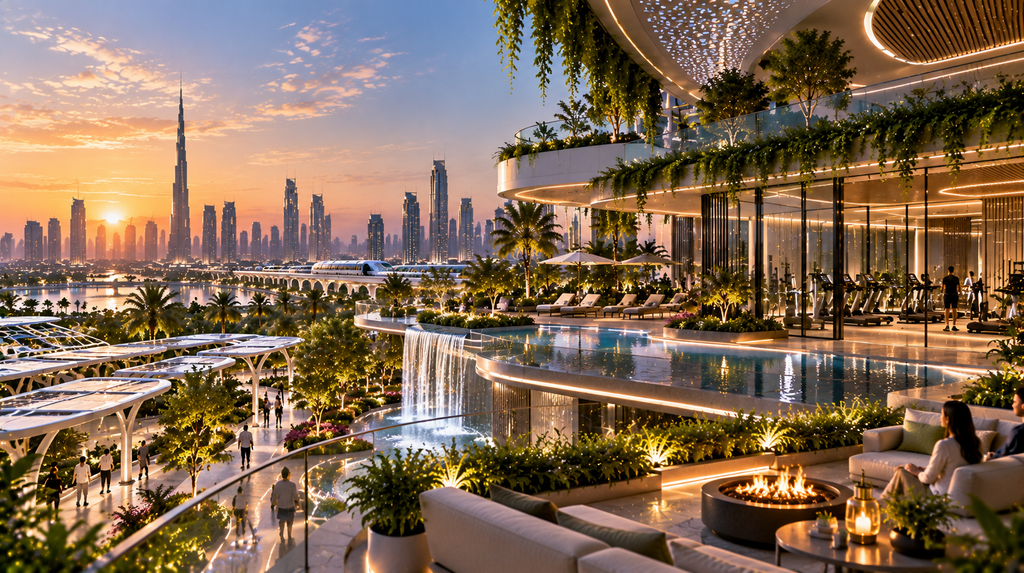
These trends point towards a broader question: what makes a property genuinely luxurious? It may be less about counting facilities and more about understanding how well they serve residents.
A swimming pool can still be a valuable amenity. So can a gym, landscaped garden or residents’ lounge. The difference is that future buyers may increasingly compare these familiar features with amenities that offer practical benefits throughout the day.
This does not mean every buyer will want a longevity centre or a high-tech recovery suite. Preferences will vary by household, lifestyle, budget and intended use. Some buyers will continue to prioritise family facilities, outdoor leisure, location or proximity to work.
The more important shift is that luxury may become increasingly personal. Buyers could place greater value on the features that improve their own routines rather than amenities included simply to make a brochure look impressive.
What Does This Mean for Dubai Property Investors?
For investors, emerging amenities are worth watching, but they should not be treated as guaranteed predictors of appreciation or rental performance. An innovative facility may attract attention at launch, but its long-term contribution depends on whether residents value it, whether it is maintained properly and whether its costs are proportionate to the benefits.
Before paying a premium for a development built around future-focused amenities, consider these five questions:
The Bigger Picture: From Showpiece Amenities to Everyday Benefits
Dubai’s next chapter of residential development could bring a more thoughtful approach to luxury, combining technology, wellbeing, environmental comfort and better-connected communities.
Some innovations will become more accessible. Others may remain specialised features of premium developments. Some will prove useful over time, while others may struggle to justify their cost. That uncertainty is precisely why buyers and investors should look beyond the headline amenity and examine the experience it delivers.
The question is no longer simply whether a property has a swimming pool, a gym or a smart home system. It is whether those features make life meaningfully better, whether they are practical to maintain and whether future residents will consider them worth paying for.
Would You Trade a Swimming Pool for a Better Way to Live?
By 2030, the most compelling luxury amenity may not be a pool overlooking the skyline. It could be a combination of thoughtful technology, comfortable interiors, wellness facilities and a community designed around everyday convenience.
Swimming pools will not disappear from luxury real estate, and they will continue to matter to many buyers. But they may no longer tell the whole story.
The next generation of property buyers could be looking beyond what a home offers on paper and asking a more meaningful question: how will this property improve the way I live?
For buyers, that means looking beyond appearances. For investors, it means distinguishing genuine long-term appeal from a passing trend.
Would you trade a swimming pool for amenities designed around health, recovery, intelligent living and quality of life?
Five questions investors should ask
- Is there a clear target audience? Identify who is most likely to use the facilities. A wellness-focused development may appeal to a different tenant profile from a family community or a location designed around business travel.
- Will residents use the amenities regularly? Facilities that support everyday needs may have broader appeal than specialised features used only occasionally.
- What are the ongoing costs? Review service charges, maintenance obligations, equipment replacement and additional fees.
- Does the location support the lifestyle being promised? A technologically advanced home cannot compensate for every weakness in accessibility, transport connections or surrounding infrastructure.
- Do the fundamentals support the purchase price? Consider comparable properties, current rental demand, expected supply, developer quality, ownership costs and resale prospects. Amenities should be assessed alongside these factors, not instead of them.
The strongest investment case is not necessarily the property with the most futuristic features. It is the property whose location, price, design and facilities align with genuine demand.