
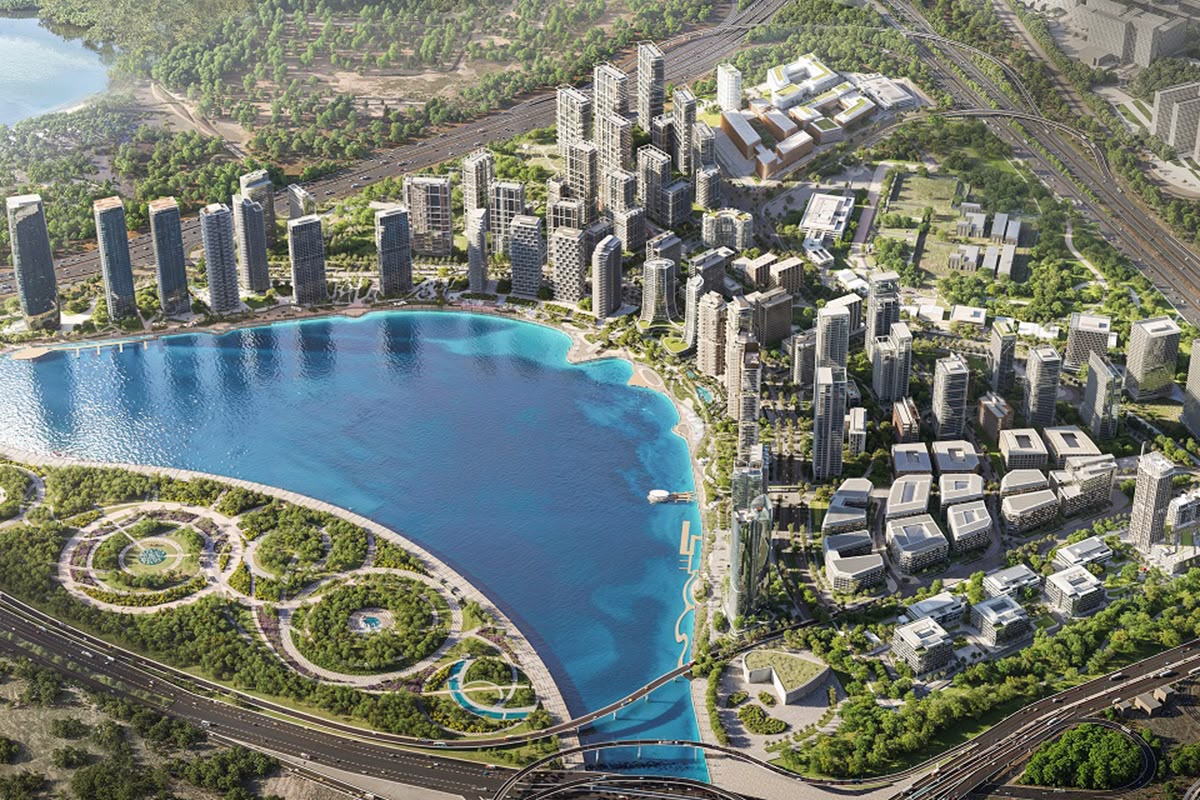

The Real Estate Domino Effect
A new airport, a metro line or a major business district may appear to be a single development. But in real estate, one major investment can set off a chain reaction that transforms an entire location.
Infrastructure attracts businesses. Businesses create jobs. Jobs bring workers and families. Growing populations increase demand for housing, schools, healthcare, retail and leisure. As these elements develop together, an area can become more desirable to live in, work in and invest in.
This is known as the real estate domino effect, and Dubai and Abu Dhabi offer compelling examples of how it works.
It Starts With Infrastructure
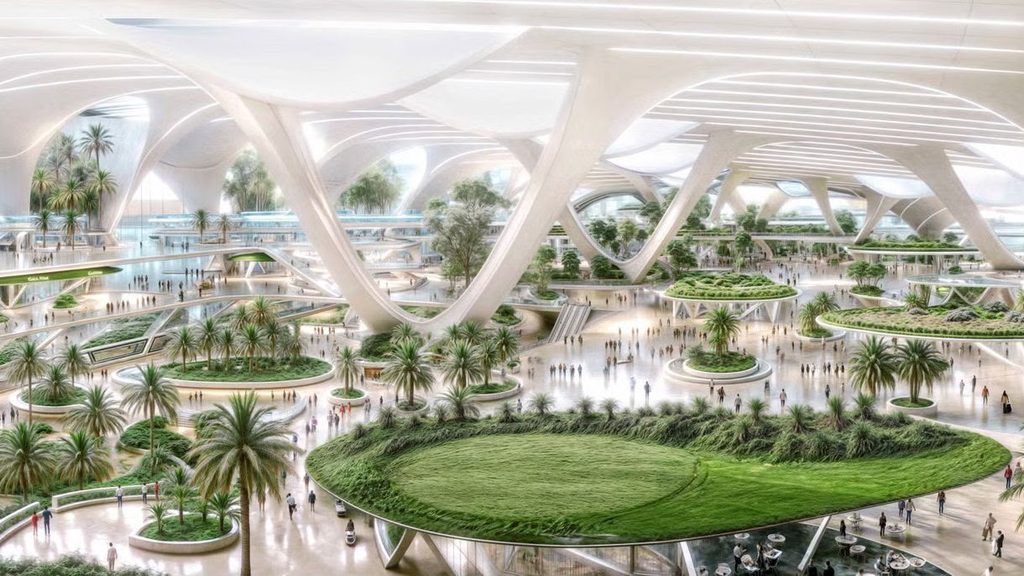
Major infrastructure projects often lay the foundation for future growth by improving connectivity and attracting economic activity.
Consider Dubai South and the expansion of Al Maktoum International Airport. The airport expansion has been approved at a planned cost of AED 128 billion, with an ultimate capacity of up to 260 million passengers annually. Beyond aviation, the wider Dubai South district is designed to support logistics, commercial activity and residential communities.
As airport capacity and surrounding business activity expand, demand may grow for warehouses, offices, staff accommodation and family homes. This does not mean every nearby property will automatically increase in value, but it creates a clear reason to watch how the surrounding district develops.
Transport infrastructure can have a similar effect. Dubai’s Metro Blue Line is planned to connect areas including Dubai Creek Harbour, International City, Dubai Silicon Oasis and Academic City. The 30-kilometre line will have 14 stations and is scheduled for completion in 2029.
For residents, better public transport can make daily commuting easier. For investors, improved connectivity is one factor worth considering when assessing a property’s long-term appeal.
Businesses Follow, Bringing Jobs and Commercial Demand
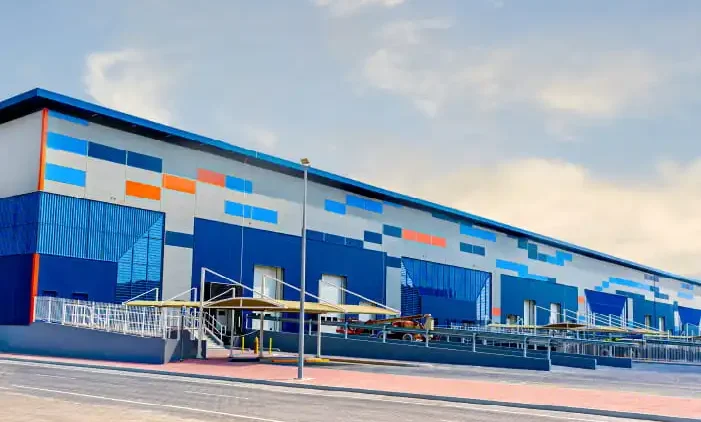
Infrastructure becomes even more significant when businesses begin investing in the surrounding area.
Dubai South has continued to attract companies across aviation, logistics and related industries. These businesses need operational facilities, distribution centres and supporting services. In turn, they create employment opportunities that can support demand for nearby housing and amenities.
Abu Dhabi’s KEZAD, the Khalifa Economic Zones Abu Dhabi, demonstrates a similar relationship. Its industrial and logistics ecosystem supports manufacturing, trade and distribution. In 2026, Aldar announced the acquisition of an industrial and logistics portfolio from AD Ports Group in KEZAD for AED 650 million. The portfolio covered approximately 163,000 square metres and had a reported occupancy rate of 97% at the time of the announcement.
This illustrates how industrial locations can attract investment in their own right. It also highlights an important part of the domino effect: commercial growth can create demand beyond the commercial property market, influencing where employees live and which services communities need.
More Employment Can Lead to More Housing Demand
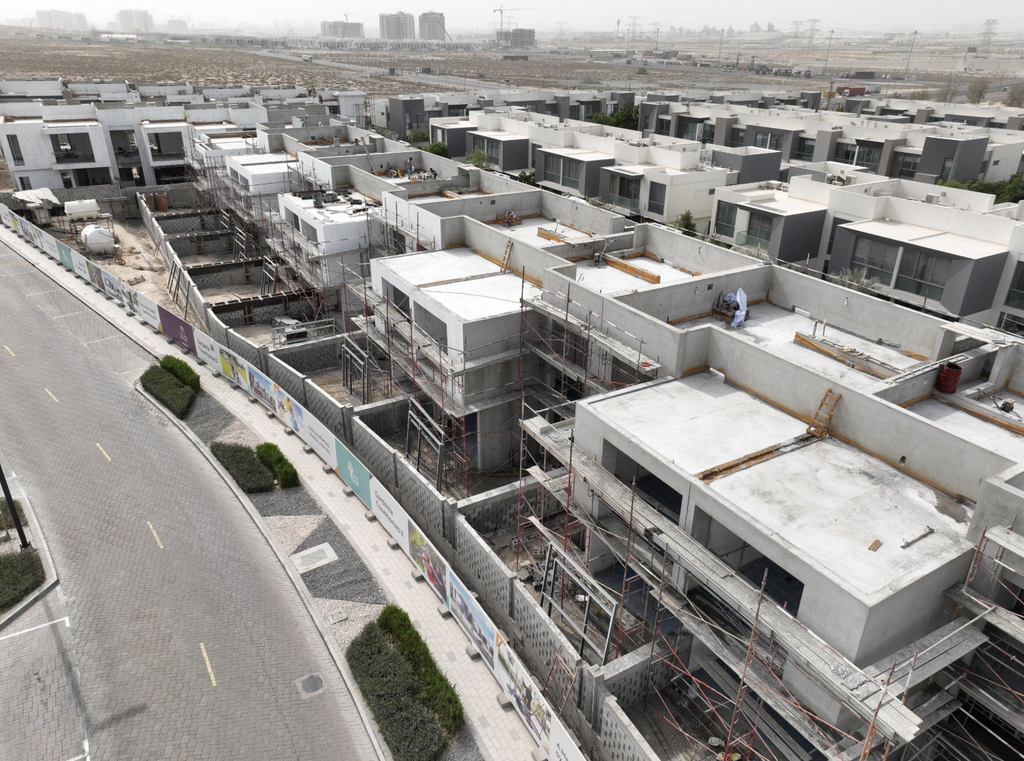
When businesses expand, employees often look for homes within a reasonable distance of their workplaces. As more people move into an area, demand can grow for apartments, townhouses and villas at different price points.
Dubai South provides a practical example of residential development alongside economic growth. Projects such as South Bay are helping establish residential communities in the district, while schools and retail facilities are being introduced to support everyday living. Dubai South has also partnered with GEMS Education to bring a British-curriculum school to its residential district.
In Abu Dhabi, ADGM’s expansion across Al Maryah Island and Al Reem Island offers another example of how business activity and residential demand can intersect. The financial district attracts companies and professionals, while Al Reem Island provides a range of residential options within reach of business and lifestyle facilities.
For investors, the key is to look beyond announcements about new jobs. Consider whether employment is actually growing, whether people are moving into the area, and whether the housing market can meet their needs at realistic prices.
Schools, Retail and Healthcare Help Turn Districts Into Communities
Employment can attract residents, but people also need places to shop, study, access healthcare and spend their leisure time.
This is why schools, supermarkets, clinics, parks and other amenities are important indicators when evaluating an emerging neighbourhood.
In Dubai South, residential projects are developing alongside community facilities. The planned South Bay Mall is intended to add retail options, while education partnerships reflect the needs of a growing residential population. As these facilities become available, residents may have more reasons to remain in the area rather than travel elsewhere for everyday services.
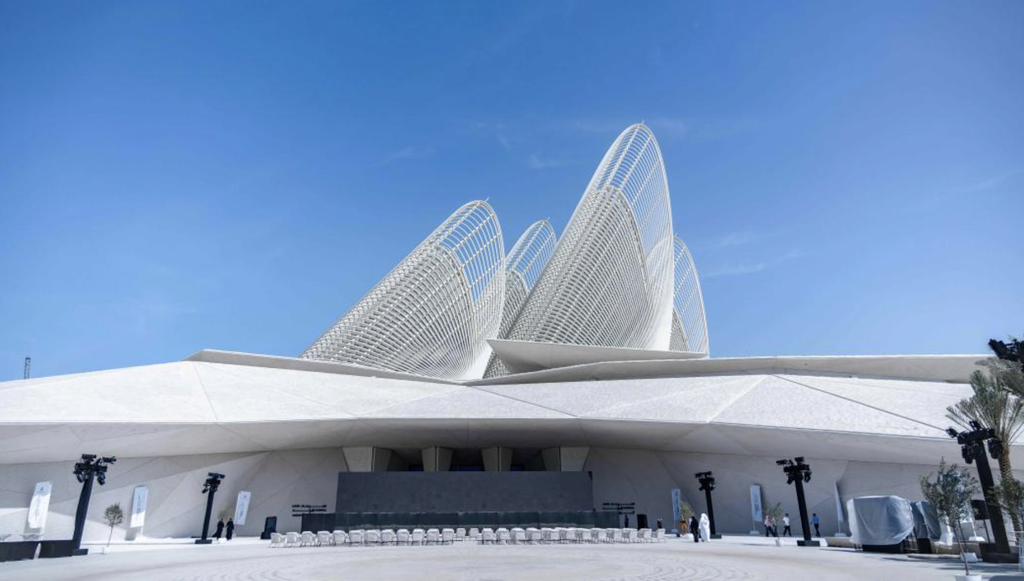
Saadiyat Island in Abu Dhabi demonstrates a different route to community appeal: culture, leisure and premium living. The opening of Zayed National Museum in 2025 added another major attraction to the Saadiyat Cultural District, alongside Louvre Abu Dhabi. Natural History Museum Abu Dhabi also opened in 2025.
Developers are building residential offerings around this wider lifestyle proposition. Aldar’s Mamsha Gardens is located near Mamsha Beach and the cultural district, while Saadiyat Lagoons offers villa living within a community setting.
These examples show that demand is not driven by employment alone. Cultural destinations, education, amenities and the overall living experience can also influence the appeal of a location.
How Can This Affect Property Values?
When infrastructure, employment, housing and amenities develop together, an area may become more attractive to both residents and investors. This can support rental demand, occupancy and, in some circumstances, property price growth.
However, growth is never guaranteed. An area may have impressive plans but insufficient current demand. Too much new housing supply can put pressure on rents and resale prices. Infrastructure projects can also be delayed, while some future benefits may already be reflected in property prices.
That is why investors should distinguish between what is announced, what is under construction and what is already operating. They should also compare asking prices with actual market evidence, evaluate rental yields and account for service charges, maintenance and other ownership costs.
The strongest investment decision is not necessarily to buy in the area with the biggest project. It is to identify a property whose price, location and potential demand make sense within the area’s wider development story.
What Should Property Investors Look For?
Before investing in an emerging area in Dubai or Abu Dhabi, consider five questions:
- Infrastructure: Which transport links, airports or major projects are planned or already operational?
- Employment: Which businesses and industries are expanding nearby?
- Housing demand: Is population growth translating into demand from tenants and buyers?
- Community development: Are schools, healthcare, retail and leisure facilities keeping pace with residential growth?
- Investment fundamentals: Do current prices, rental income, supply levels and ownership costs support the investment?
Looking Beyond the Property
The real estate domino effect reminds us that a property’s potential is shaped by more than its size, design or immediate surroundings. It is also influenced by the wider forces transforming the location around it.
From Dubai South’s aviation and logistics ambitions to the Metro Blue Line and Abu Dhabi’s growing business and cultural districts, the important question is what each development may lead to next.
For investors, understanding these connections can help identify emerging opportunities, assess risks more carefully and make decisions based on the bigger picture.
At Winforth Luxury Real Estate, we look beyond the property to understand the location, the market and the factors that may shape its future potential.